How Professional Training Enhances a German Shepherd’s Protective Instinct

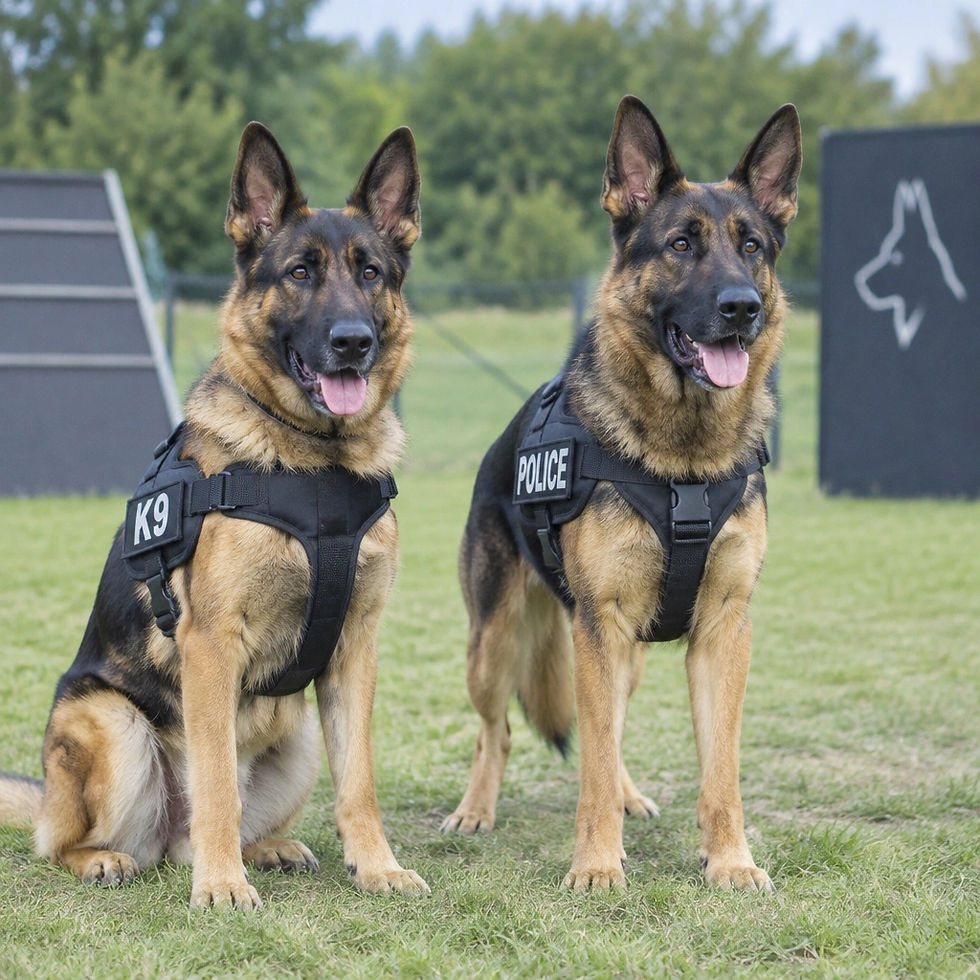
German Shepherds are known for loyalty, intelligence, and courage. They rank among the most versatile working dog breeds in the world. Police units, military teams, and search-and-rescue groups trust them for a reason. At home, they are loving family companions.
One trait stands out above all: their protective instinct.
But instinct alone is not enough. Without structure, protection can turn into fear-based reactions or uncontrolled behavior. Professional training shapes that instinct into calm, reliable control. It transforms a natural guardian into a stable family protection dog.
For many families, this is why they look for trained German shepherds instead of starting from scratch.
The Natural Protective Drive of a German Shepherd
German Shepherds were developed in Germany in the late 1800s. Their original role was herding and guarding livestock. Over time, breeders refined their intelligence, endurance, and nerve strength.
Key natural traits include:
Strong territorial awareness
Deep loyalty to their handler
High intelligence and trainability
Confidence in unfamiliar situations
Strong working drive
These qualities make them excellent protection dogs. However, genetics only provide the foundation. Training builds reliability.
There is a major difference between a protective dog and an aggressive dog. A protective dog responds to real threats. An aggressive dog reacts without control. Professional training teaches discrimination. The dog learns when to act and when to remain calm.
Instinct Without Training: The Risks
Many owners assume a German Shepherd will automatically protect the home. While that is partly true, instinct without guidance can create problems.
An untrained dog may:
Bark excessively
Misjudge harmless visitors
React to sudden movement
Pull aggressively on leash
Ignore recall commands
This creates liability risks. It also increases stress for the owner.
Professional obedience and protection training correct these issues. It channels prey drive and defense drive into structured responses. The dog learns command-based engagement and release. That control is what separates a stable guardian from an unpredictable animal.
What Professional Training Includes
Professional programs follow a structured system. They do not rely on fear or intimidation. Instead, they focus on discipline, clarity, and consistency.
1. Foundational Obedience
Obedience is the first step. A protection dog must listen without hesitation.
Core commands include:
Sit
Stay
Heel
Down
Recall
Place command
Impulse control is heavily emphasized. The dog learns to ignore distractions. Leash discipline and off-leash reliability are developed early.
Without obedience, protection work cannot be safe.
2. Advanced Protection Training
After obedience is solid, controlled protection begins. This often includes:
Bite work with professional equipment
Command-based engagement
Immediate release on cue
Threat discrimination exercises
Scenario-based simulations
Many programs use IGP (formerly Schutzhund) principles. These tests evaluate tracking, obedience, and protection. The goal is not aggression. The goal is controlled response under pressure.
A properly trained German Shepherd will remain calm in normal situations. It will only engage when given a command or when facing a real threat.
3. Socialization and Environmental Conditioning
Professional trainers expose dogs to many environments. This builds confidence and stability.
Dogs are introduced to:
Children
Crowds
Loud noises
Vehicles
Other animals
Public settings
This prevents fear-based reactions. Confidence is essential in protection work. A nervous dog cannot be reliable.
Why Professional Training Enhances Protection
Training refines instinct. It does not remove it. Instead, it strengthens focus and clarity.
Here is how training enhances natural protection:
Clear Command Structure
The dog learns specific cues for engagement and disengagement. There is no confusion. Response becomes automatic.
Improved Threat Recognition
Through scenario training, the dog learns to distinguish between normal interaction and genuine threat behavior.
Stronger Handler Bond
Protection training builds deep trust between dog and handler. The dog looks to the owner for direction before reacting.
Controlled Drive Management
German Shepherds have strong prey drive and defense drive. Training teaches the dog how to channel that energy productively.
This is why many families prefer trained German shepherds for sale. The hard work has already been done.
The Difference Between Trained and Untrained Guardians
An untrained protective dog reacts emotionally. A trained protection dog responds logically.
An untrained dog may lunge at a guest. A trained dog waits for instruction. An untrained dog may ignore recall. A trained dog returns immediately. An untrained dog may escalate tension. A trained dog maintains composure.
The difference is discipline.
When people search for trained German shepherds for sale, they are looking for reliability. They want protection without chaos.
Health, Genetics, and Temperament Matter
Training alone is not enough. The dog’s genetics play a major role.
Reputable breeders focus on:
OFA-certified hips and elbows
Stable working bloodlines
Temperament testing
AKC registration
Early neurological stimulation
Working line German Shepherds often have stronger drive. However, not every dog is suited for protection training. Professionals evaluate nerve strength, confidence, and recovery time before advancing training.
Families seeking trained German shepherds for sale should always ask for health documentation and training proof.
Benefits of Choosing a Professionally Trained Dog
Immediate Security
Training takes months, sometimes years. Purchasing a trained dog offers immediate readiness.
Predictable Temperament
Professional trainers assess behavior under stress. This reduces surprises.
Time Efficiency
Training a protection dog requires experience. Mistakes can cause long-term issues. A professionally trained dog removes that burden.
Support and Guidance
Most reputable programs offer transition training for new owners. This ensures smooth integration into the home.
For busy families or first-time protection dog owners, this can be invaluable.
Who Should Consider a Professionally Trained German Shepherd?
Certain lifestyles benefit most from trained protection dogs:
Families seeking added home security
Rural property owners
Business owners
Individuals living alone
Experienced dog handlers
Protection dogs are not status symbols. They are working companions. Owners must commit to continued reinforcement training and daily exercise.
Even after purchasing trained German shepherds for sale, regular practice is necessary to maintain skills.
The Value of Professional Standards
High-level programs follow strict standards. Many use IGP or similar working certifications. These tests ensure:
Obedience under distraction
Courage under pressure
Immediate response to handler
Controlled bite release
This level of training is not casual obedience. It is structured development.
When evaluating trained German shepherds for sale, buyers should request demonstration videos. A reputable breeder or trainer will gladly show the dog’s skills.
Final Thoughts
The German Shepherd’s protective instinct is powerful. It is part of the breed’s identity. But instinct alone is not enough for modern family life. Professional training transforms raw drive into disciplined response. It builds confidence, reliability, and safety. It strengthens the bond between dog and owner. A well-trained German Shepherd is calm at home. Alert when needed. Obedient at all times. For families who value security and stability, choosing trained German shepherds for sale can be a practical solution. The key is working with reputable breeders and trainers who prioritize health, temperament, and structured development.


Comments